
The Future of Multi-Modal Logistics: Integrating Rail, Road, Air, and Sea.
Introduction
The logistics industry is undergoing a major transformation as businesses demand faster, more flexible, and more cost-efficient transportation solutions. Multi-modal logistics—where goods move seamlessly across rail, road, air, and sea—has emerged as a game-changer. With technology and infrastructure rapidly advancing, the future of multi-modal logistics looks more connected, automated, and optimized than ever before.
Multi-modal logistics integrates different modes of transport into a single, streamlined delivery journey. As global trade expands, companies are adopting hybrid transportation models to reduce transit times and improve service reliability.
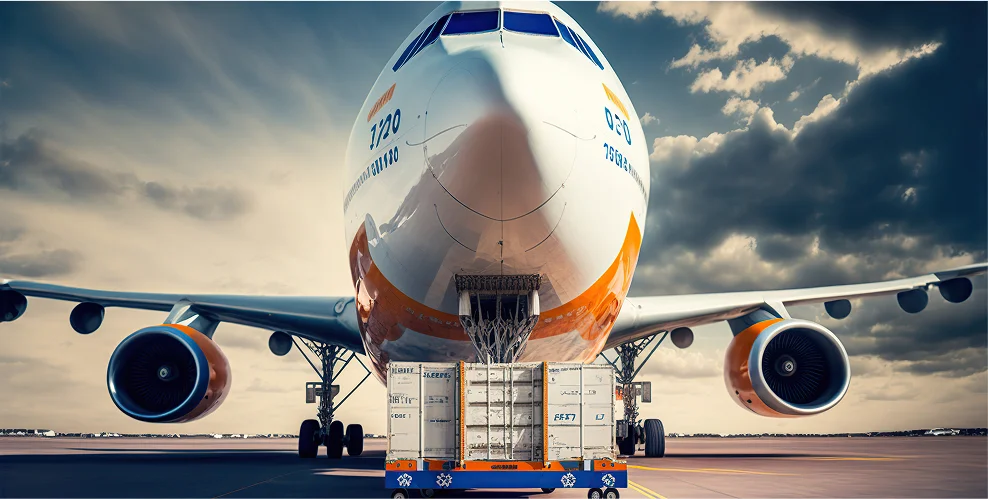
Rail offers cost-effective long-distance shipping for heavy cargo, while road transport provides last-mile flexibility and accessibility. Air freight delivers unmatched speed for urgent shipments, and sea transport carries massive loads efficiently across continents.
The future of this system is shaped by digitalization, such as real-time tracking, AI-based route optimization, and data-driven decision-making. Automated warehouses, IoT-enabled containers, and intelligent transport systems are enhancing coordination between each mode.
Governments and private companies are also investing heavily in multi-modal logistics parks, smart ports, and expanded rail corridors to support better connectivity and reduce bottlenecks.
Conclusion
Multi-modal logistics is evolving into a highly integrated and technology-driven ecosystem. By combining the strengths of rail, road, air, and sea, businesses can achieve faster delivery, reduced costs, and improved efficiency. As infrastructure expands and digital tools advance, multi-modal logistics will continue to become the backbone of global trade.
